Thomas Lojek
Article
Todd VanLangen:
The Aftermath of Killing
From a Sniper’s Perspective
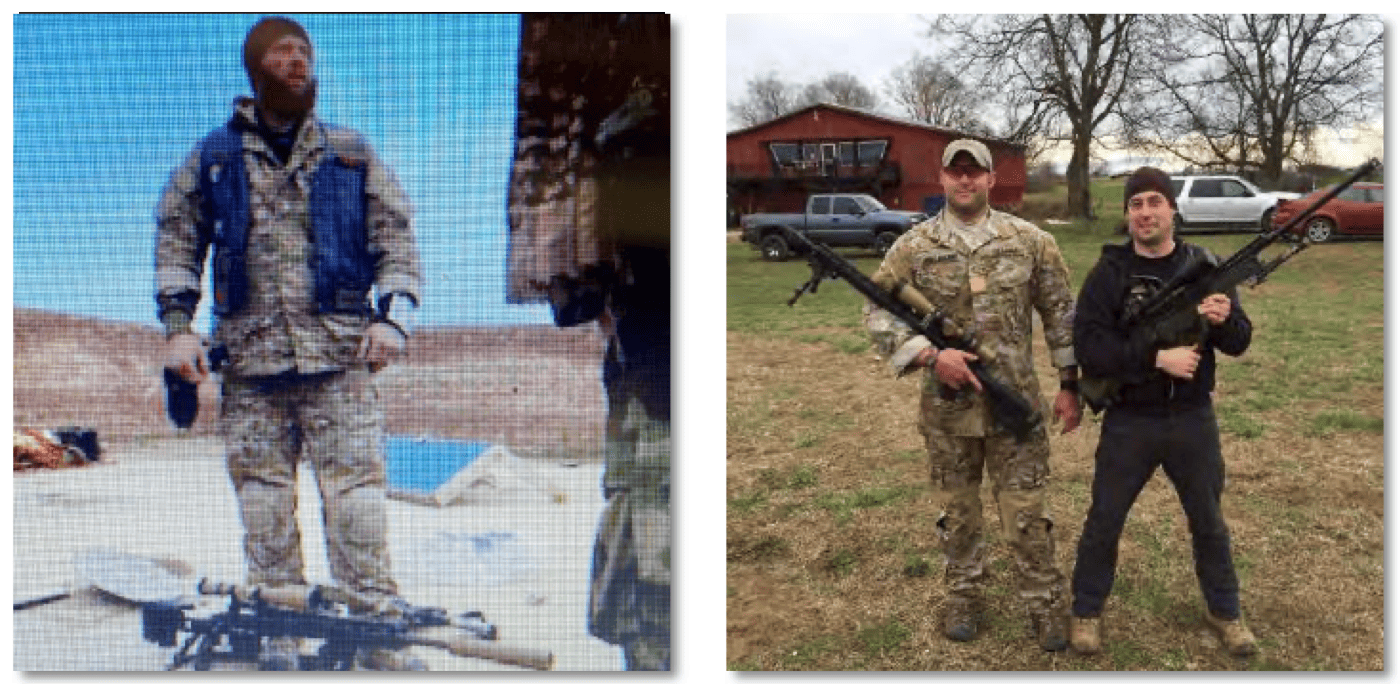
Todd VanLangen is a competition shooter, US Army SOF (ret.) and tactical training instructor.
The Aftermath of Killing: A Sniper’s Perspective
A large part of a sniper’s job is the ability to compartmentalize and live with taking another human’s life.
Special Operations snipers (and most LEO units) are subjected to a myriad of mental evaluations, interviews, and assessments prior to being selected to begin sniper training.
In addition to the basic “Are you a homicidal maniac?” evaluations, there are tests on whether we possess the ability to take a life, and then follow-on tests to ensure we can do it again.
“One Shot Snipers” are indeed a thing, and they can lead to major safety considerations for Ground Force Commanders on follow-on operations.
We are poked and prodded to make sure we will kill when it is time to kill, but we are never assessed on the ability to handle the immense burden of killing in such an intimate way.
I think it’s time we start talking about it.
War and Killing: Hollywood’s Illusion vs. Reality
Hollywood likes to make killing seem like a romantic interlude that is forgotten by the victor immediately after the fighting is over, and that could not be further from the truth.
Recently, I attended a LEO Marksman course as a guest instructor, and during one of the breaks I was talking with another former Special Operations member.
As usual, we were reminiscing about the “glory days,” talking about shooting numerous bad guys every night in Sadr City, Iraq, when I noticed a couple of the younger LEO students watching and listening with horrified looks on their faces.
“How can you guys live with killing so many people?” one of them asked.
The best answer I had for him was that we were all selected for our ability to remain mentally resilient and compartmentalize the “bad stuff.”
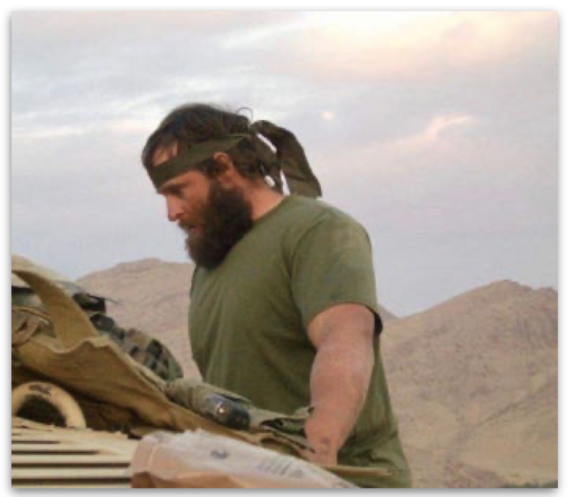
Living With the Ghosts: I do not really know…
The truth is, I do not really know how I have been able to cope with the ghosts that continuously haunt me.
Those of us who are lucky enough to be resilient are very few compared to the large numbers of sharpshooters currently serving CONUS and OCONUS.
And I think it’s time we start discussing ways to counter the “hauntings” that will surely follow any sniper who takes a kill shot.
If anything, I think it’s time to start ensuring that those who aspire to be snipers are fully briefed on the aftermath of taking a life.
“Life or death” killings are what 99% of the military or LEO forces deal with, and they come with a lifetime of baggage.
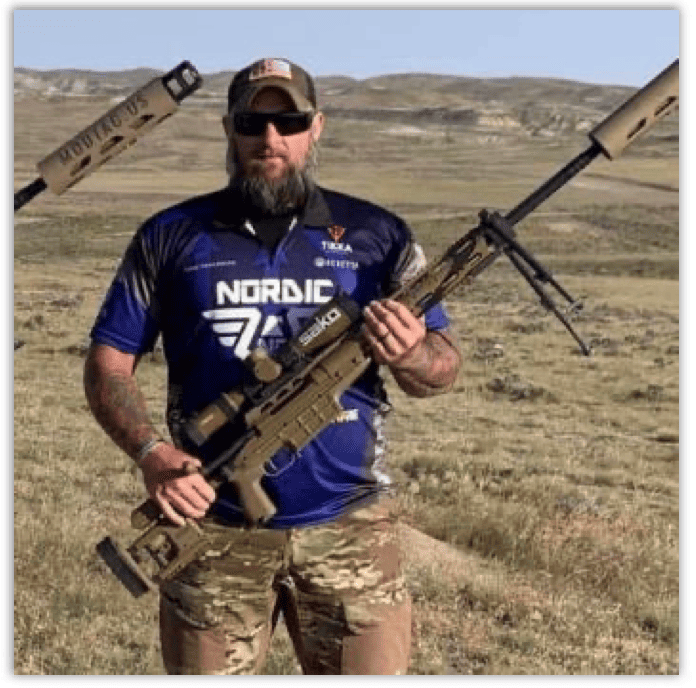
The Psychological Weight of a Deliberate Shot
A split-second decision to take another human’s life in a firefight (in my experience) is a lot easier to deal with mentally than spending a lengthy amount of time watching an individual up close and personal through a high-powered optic.
When you are tracking a bad guy through a scope, you see them as the person they are.
Spend enough time tracking them, and you will see their emotions, ticks, and mannerisms.
At some point you realize the bad guy is a human being, not just a steel target at the range, and you have the power to shut them down permanently.
Once you make the decision to eliminate them, the visual of their face will forever be seared into your memory.
That visual will manifest at random times for the rest of your life, no matter what you do to stop it.
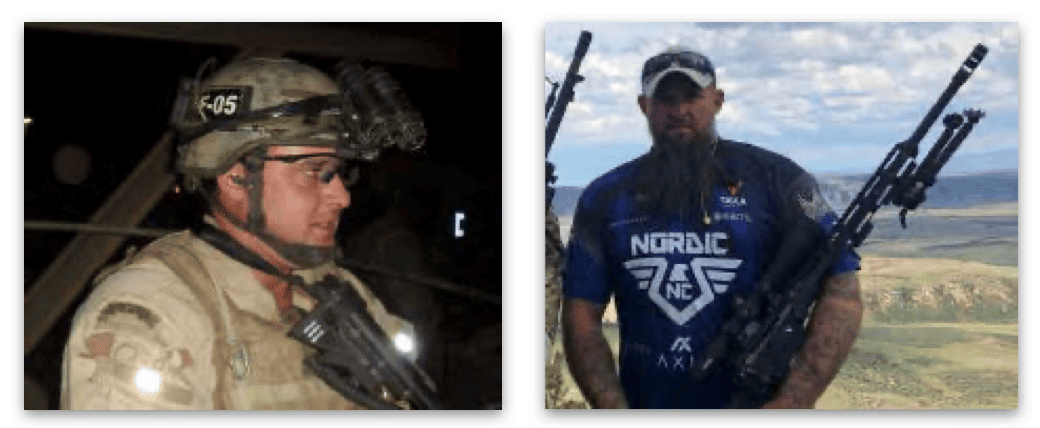
Faces That Never Fade
I once thought that after I had killed enough people, all the faces of the dead would blur together and maybe not be such a poignant experience.
Well, I was wrong.
It gets worse.
I have come to the conclusion that the burden of taking another’s life is that you get to relive the moment for eternity.
It’s how you deal with it mentally that makes all the difference.
Finding Your Way to Cope
Just like every sniper situation, every person is different, and I won’t sit here and preach to anyone on how to cope with their demons.
I will say that as an operator, it is incumbent upon you to seek out your own way to deal with it.
Talk to those who are senior to you about how they cope, and most importantly, help teach the younger generation how you do it.
There are professionals out there who specialize in building mental resiliency — seek them out.
Set up a program for you and your people so you can grow tougher mentally as well as physically.