Thomas Lojek
Scott Usry:
Why SWAT Operators Need
Emergency Medical Training
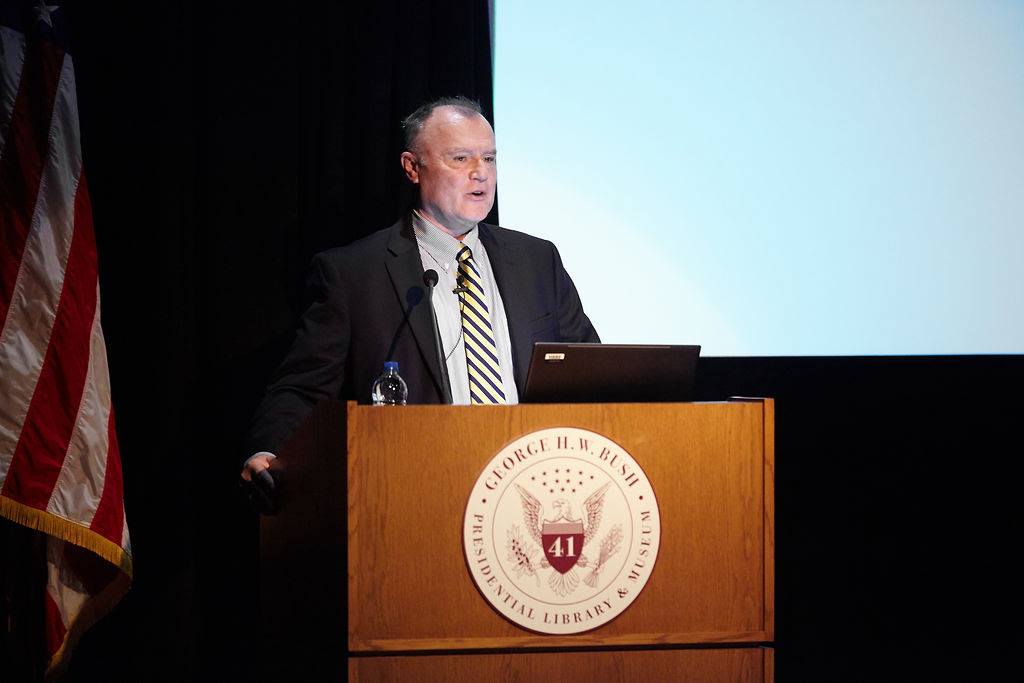
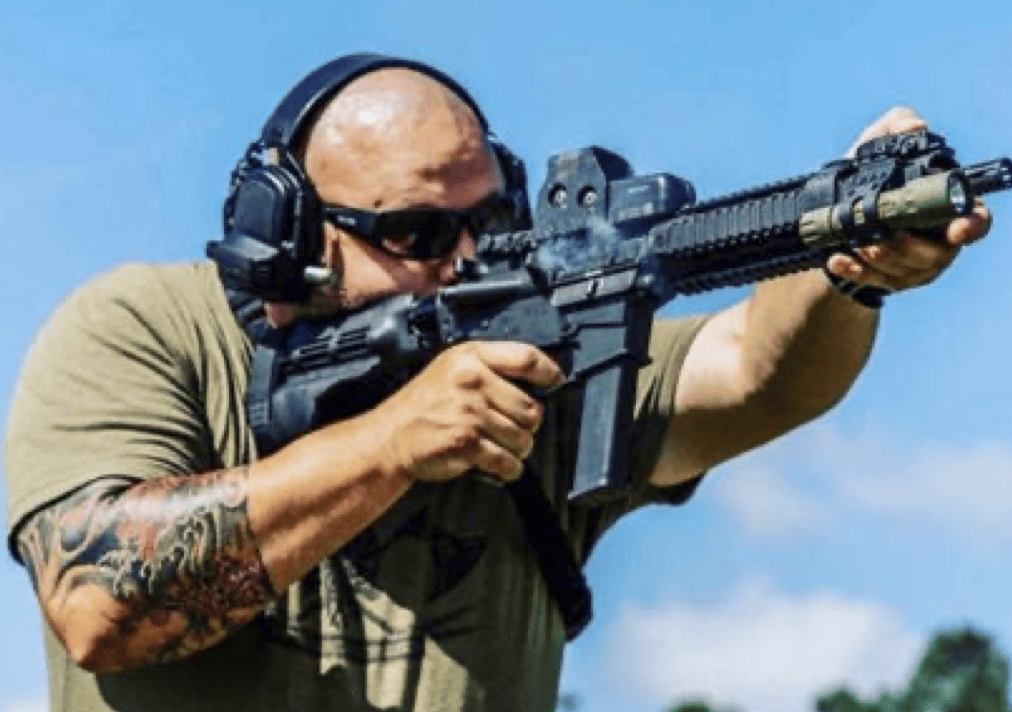
Scott Usry is a SWAT operator and instructor, specializing in tactical training, defensive tactics, firearms instruction, and tactical driving.
Why I Trained My Entire Team as Emergency Medical Responders
When I became a commander of my first team, I had all our operators certified as Emergency Medical Responders (EMR).
Training Officers Carry a Heavy Responsibility.
As a Training Officer for the Police Department’s Special Response Team, it is my responsibility to plan training that makes our operators stay engaged in training to help sharpen their skills.
These skills are called upon in times where the abilities of the normal patrol officers are not enough to handle whatever situation it is that we were called to handle.
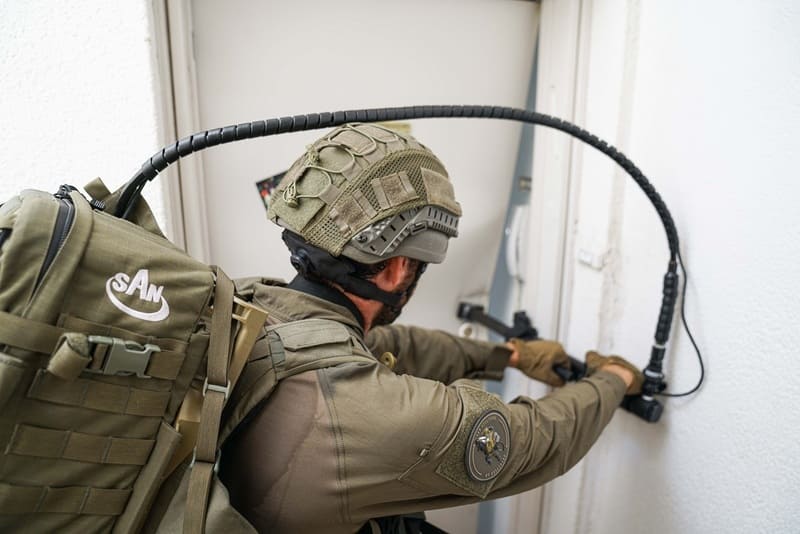
Barricaded subject, hostage situations, active shooters and high-risk warrant services are just a few of the situations that may require the team’s activation.
Year-Round Training to Stay Mission-Ready
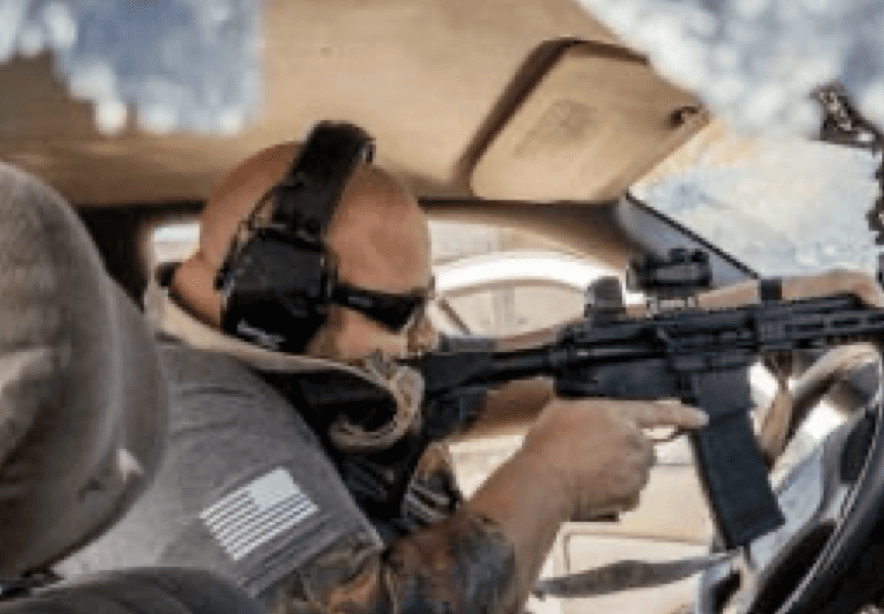
We train throughout the year to ensure that team members are proficient with all the weapons that we carry just in case we must use them to protect members of our community.
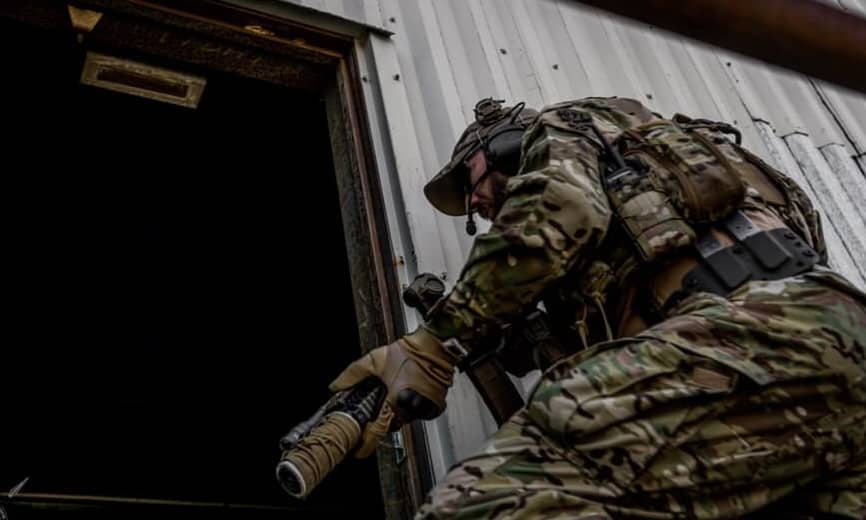
We train on team movement outside of facilities, close quarter battle and room entries, tactical angles, and even less-than-lethal techniques.
We train to ensure when the time comes and we must spring into action to protect our community we are prepared, but what happens when we are the ones in need of help?
When SWAT Needs Help — Who Helps Us?
We have all heard the saying “When citizens need help, they call the police, but when the police need help, they call SWAT.”
While this holds true, what happens when it’s SWAT that needs help because of an injury during an operation?
While some teams have medics assigned to the team, these medics still can’t perform care under hostile fire.
Meaning that if you are still in a hot zone or uncleared area, the medics can’t render aid for the threat of becoming casualties themselves.
So, what do you do in a situation like this?
Operators Must Be Able to Render Self-Aid
We, as Training Officers, must ensure our operators can revert to their training and start rendering self-aid until the time we can get them to a higher level of care at a trauma center.
The question is what type of training can prepare our operators for this?
As an operator I had always prepared myself for the fight, but it wasn’t until years later that I realized if I ever received a ballistic injury during an operation there was no one coming to help me.
This isn’t because they wouldn’t want to, but instead because they couldn’t.
This is when I decided that I needed to seek out training that would help me save myself.
The Turning Point: TCCC Training
This is when I decided to take a class that would push me out of my comfort zone and force me to grow as an operator.
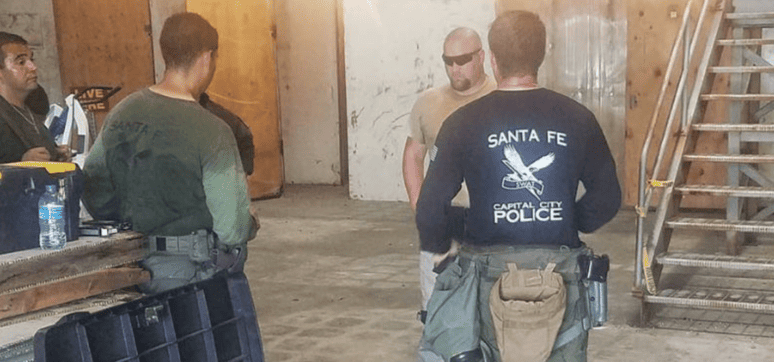
I took a Tactical Combat Casualty Care Course that was being offered to our team.
This course was intended to teach each operator techniques that would allow themselves to self-aid until the situation could be resolved, and the medics could get us to a trauma center.
From that point on the medical aspect of what we do has intrigued me.
Therefore, when I became a commander of my first team, I had all our operators certified as Emergency Medical Responders.
Emergency Medical Responders Are Not Medics — But They Save Lives
Emergency Medical Responders (EMRs) are not Emergency Medical Technicians (EMTs), and I wasn’t trying to make the operators Medics, but I did want to ensure my guys were trained to handle whatever came our way.
For TCCC or TECC courses seek out qualified instructors in your area and set up a course sooner rather than later.
In our area, Augusta University’s Center for Operational Medicine offers these courses and is led by some of the best medical personnel in the area to include one of our team, Medics Lt. Kyle Tiller of the Burke County Emergency Management Agency.
Train for the Worst — Your Operators Deserve It
Now that you have completed the training, outfitting your operators with the proper equipment is one of the most important steps you must take.
There are many great medical outfitters in the industry, but the one that we have been working closely with to outfit our team is Safeguard Medical out of Harrisburg NC.
Jason Fetzer and Michael Chavaree have been working closely with us to develop medical kits that fit our needs while not breaking the budget.
Safeguard Medical has everything that you need to set up some of the most realistic training outside of doing live tissue training.
These guys have real-world experience to support your teams’ training and equipment needs.
Check them out!
At the end of the day training for the worst is the best you can do for your operators.
Plan, train, and test their abilities whenever possible to ensure growth in their abilities.
Push your training to the point of failure, then back it down until you find the zone in which you learn and grow.